Ticketmaster · LiveDaily

Repositioning a live-music media brand during the Web 2.0 shift
Role: Design Lead · Brand + Product Experience Scope: Identity refresh, style system, editorial templates, partner/vendor coordination Timeline: 2009 era · rapid iteration under tight timelines Environment: Live entertainment media, high-visibility artist moments, multi-stakeholder org

Problem LiveDaily had real traction, but its brand and UI looked “early web” — at the exact moment live music culture was shifting from MySpace-era identity into the Twitter/X era of always-on media. The mandate: modernize the look and feel without falling into the obvious clichés of live-music branding (no microphones, amps, or stock “rock” tropes). We needed a system that could scale across editorial, video programming, and future sub-brands (TLD / LD) — while I coordinated multiple vendors and moving parts. What I delivered was a contemporary visual direction and a reusable experience framework that helped LiveDaily present like a credible voice in live entertainment — not a hobby site.
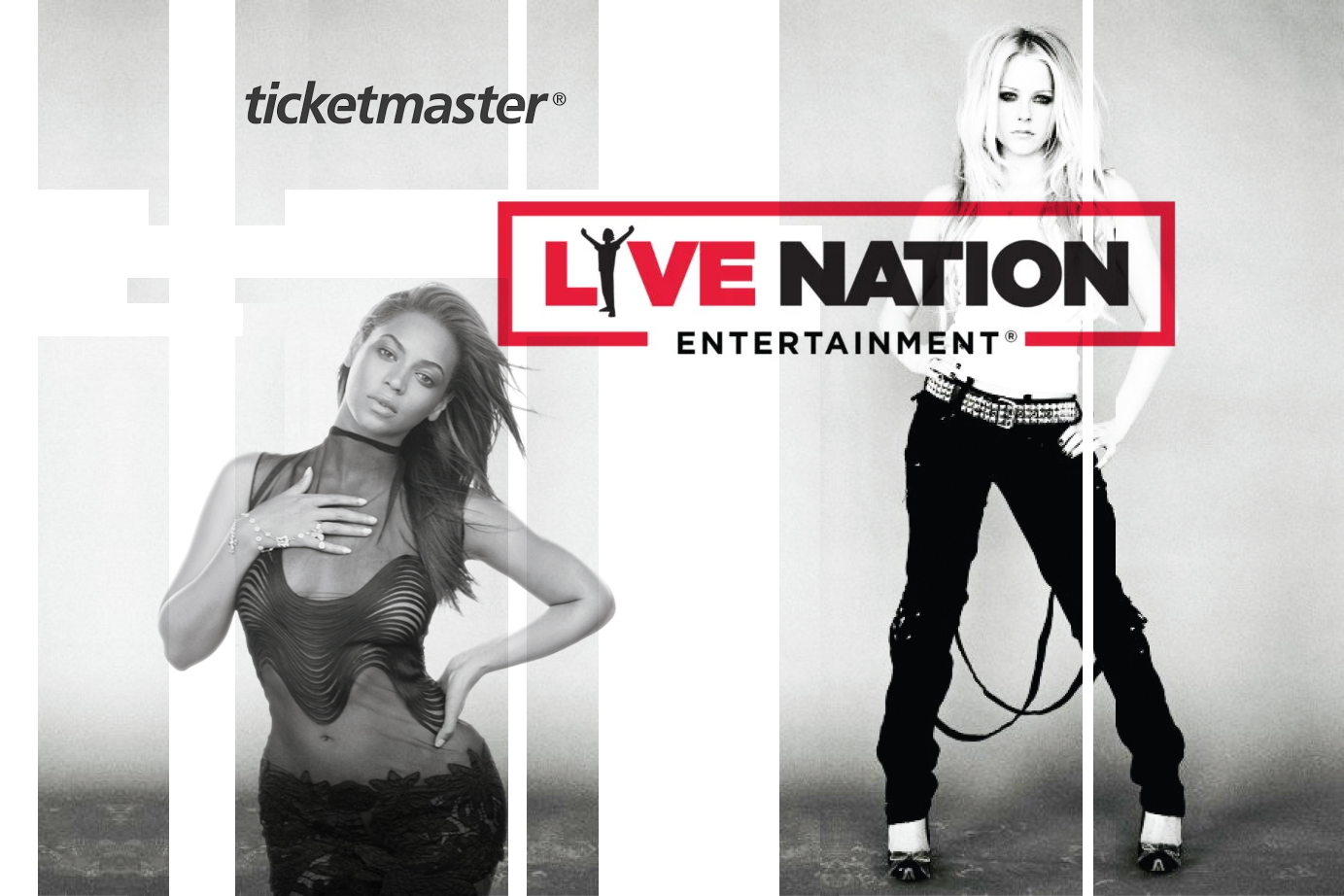
LiveDaily – visual direction

Designing a contemporary identity for live entertainment media.

This work was less “make it pretty” and more: create a coherent system that could survive rapid publishing, multiple contributors, and high-stakes moments tied to major artists. I focused on a modern visual language, clear editorial hierarchy, and a set of reusable templates that could scale — even when resources were tight.

01

A brand direction that avoided the obvious

Leadership explicitly wanted a modern identity without lazy “music icon” symbolism. I established a cleaner, more contemporary direction grounded in typography, layout rhythm, and editorial confidence — the kind of system that can support real programming, not just a logo.

02

Template-driven publishing for speed and consistency

I translated the brand into practical page templates and UI patterns so editors and producers could ship quickly without breaking cohesion. The goal: consistent hierarchy across features, galleries, and media modules — even as content velocity increased.

03

Multi-vendor coordination under real deadlines

This wasn’t solo design in a vacuum. I managed handoffs across multiple vendors/partners, aligned stakeholders on direction, and kept quality from degrading as the org moved fast. The system reduced rework and kept the product “on model.”

Gallery
1 / 12
01 / LiveDaily — early direction explorations

A Web 2.0 moment: from profile-pages to real-time media.

The platform had to look credible in a changing cultural context: live entertainment was becoming a constant feed — not a destination site. I built a design language that supported ongoing publishing, spotlight moments, and a future brand family (LD / TLD) without needing a full rebuild.

Key constraints
  • Tight timelines + limited resources
  • Multiple stakeholders across product + editorial + video
  • Multi-vendor execution and handoffs
  • Avoiding cliché visual tropes in music branding
  • Consistency under high content volume
Key outcomes

These are the outcomes that mattered in this era: a sharper identity, faster publishing, and a system that held together across teams — while the internet’s attention model was changing underneath us.

Systemized

Created a reusable brand + UI foundation: • typography + layout rules • repeatable templates • clear hierarchy for editorial + media

Aligned

Kept execution coherent across stakeholders and vendors: • reduced drift from the original direction • faster approvals through clearer artifacts • consistent “look and feel” across pages

A note on context

This work sits in a specific cultural moment — when “live entertainment media” was becoming continuous, social, and real-time. I also worked alongside teams supporting some of the biggest names in music. Details are intentionally high-level due to confidentiality, but the core skill is the same: make the work look inevitable, modern, and trustworthy — at speed.