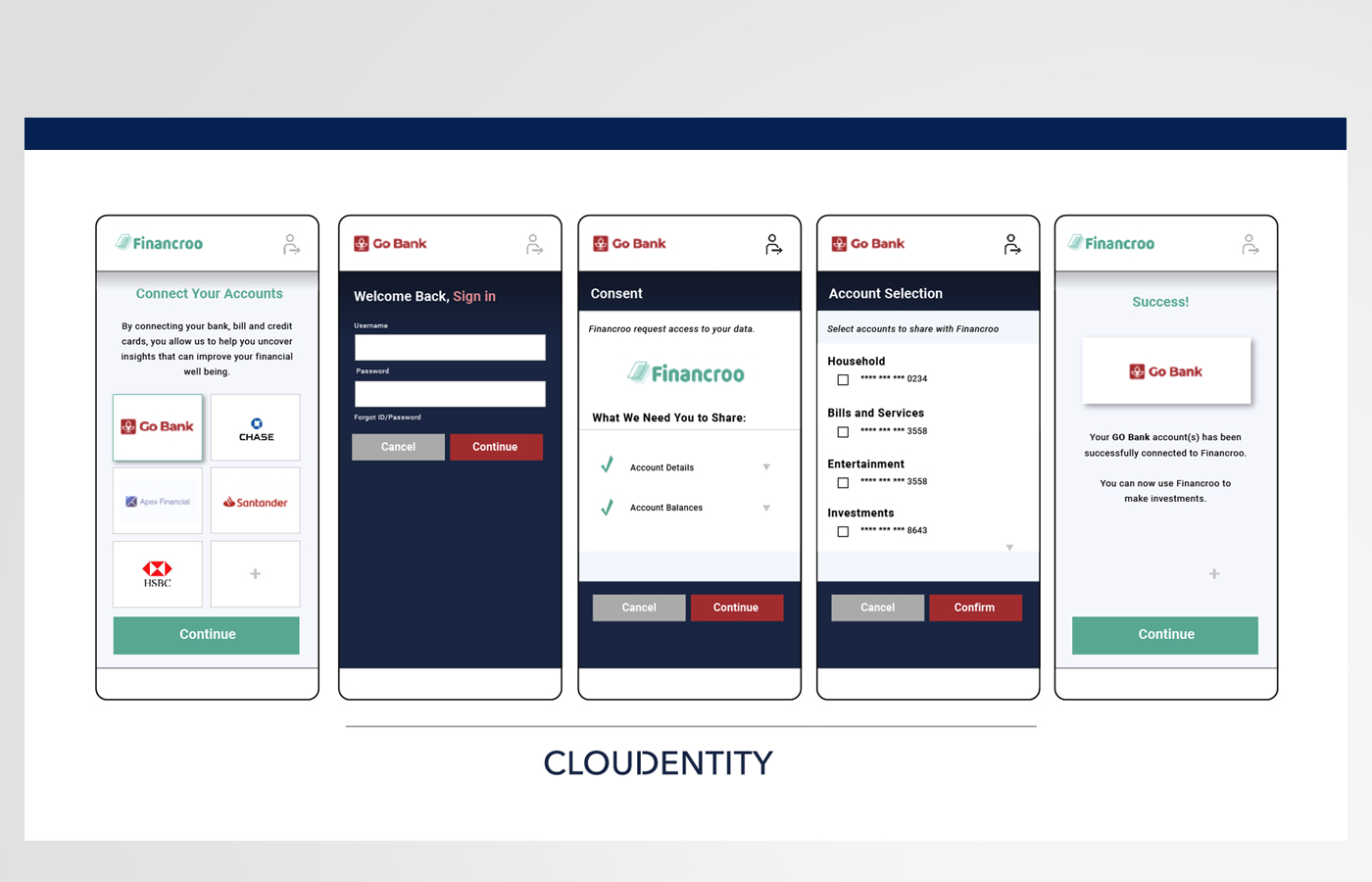
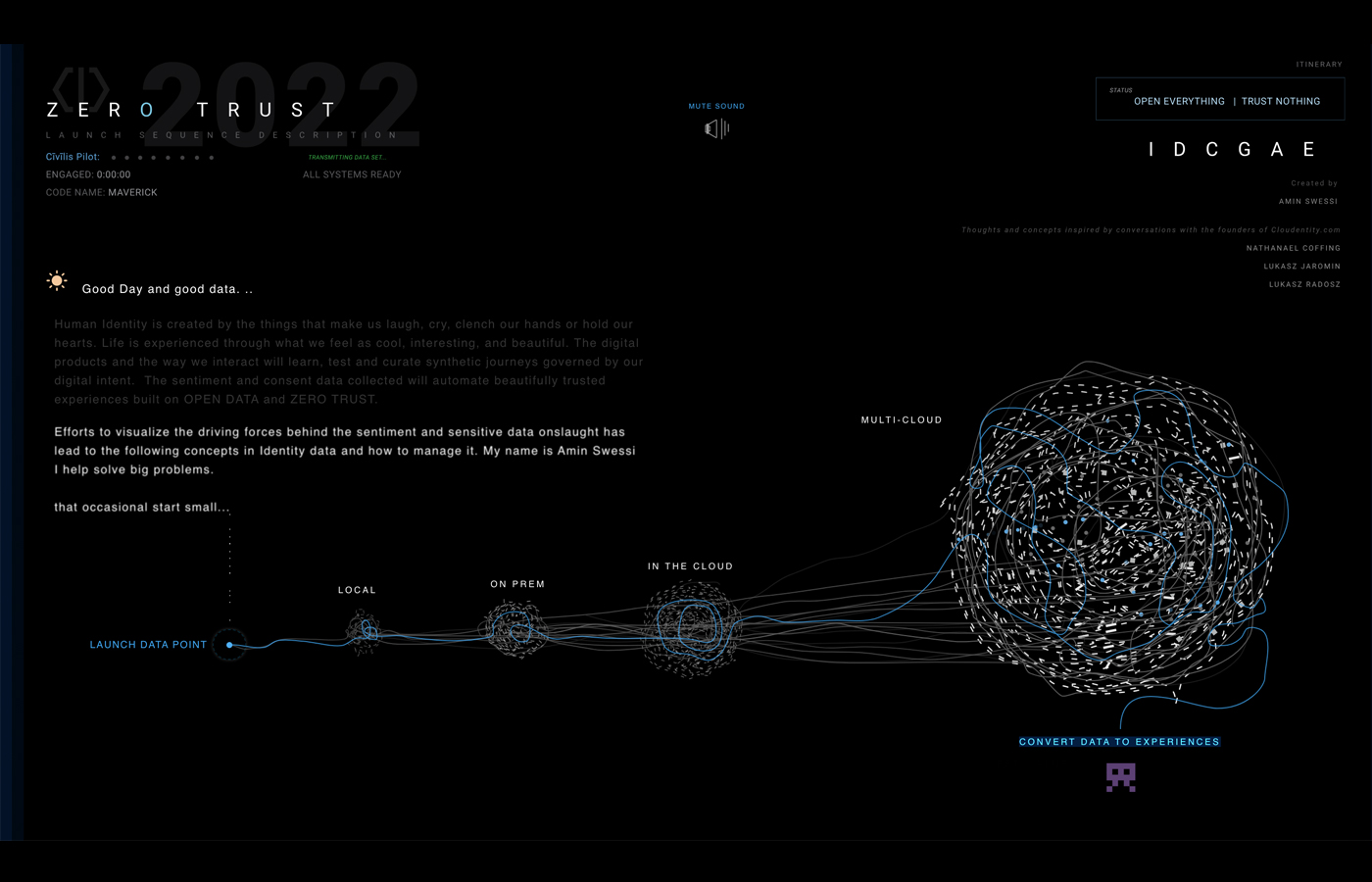
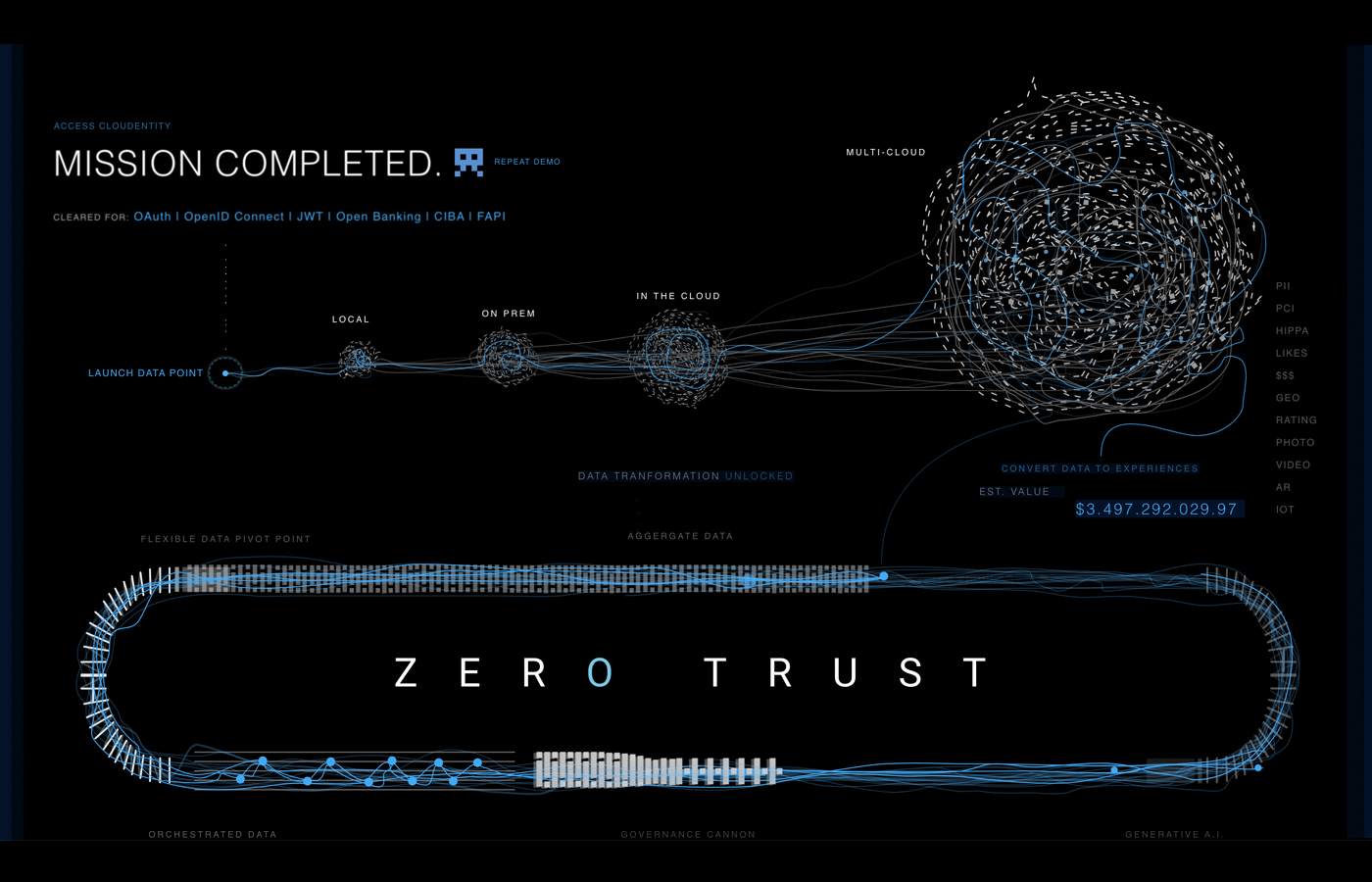
Cloudentity was built for the “open everything, trust nothing” era: hybrid cloud, API-first ecosystems, and modern identity architectures where authorization, consent, and auditability can’t be bolted on at the end. My work centered on designing a scalable product foundation—workflows, information architecture, and system patterns—that supported high-velocity engineering while keeping the experience coherent for security leadership, platform teams, and developers shipping to production.
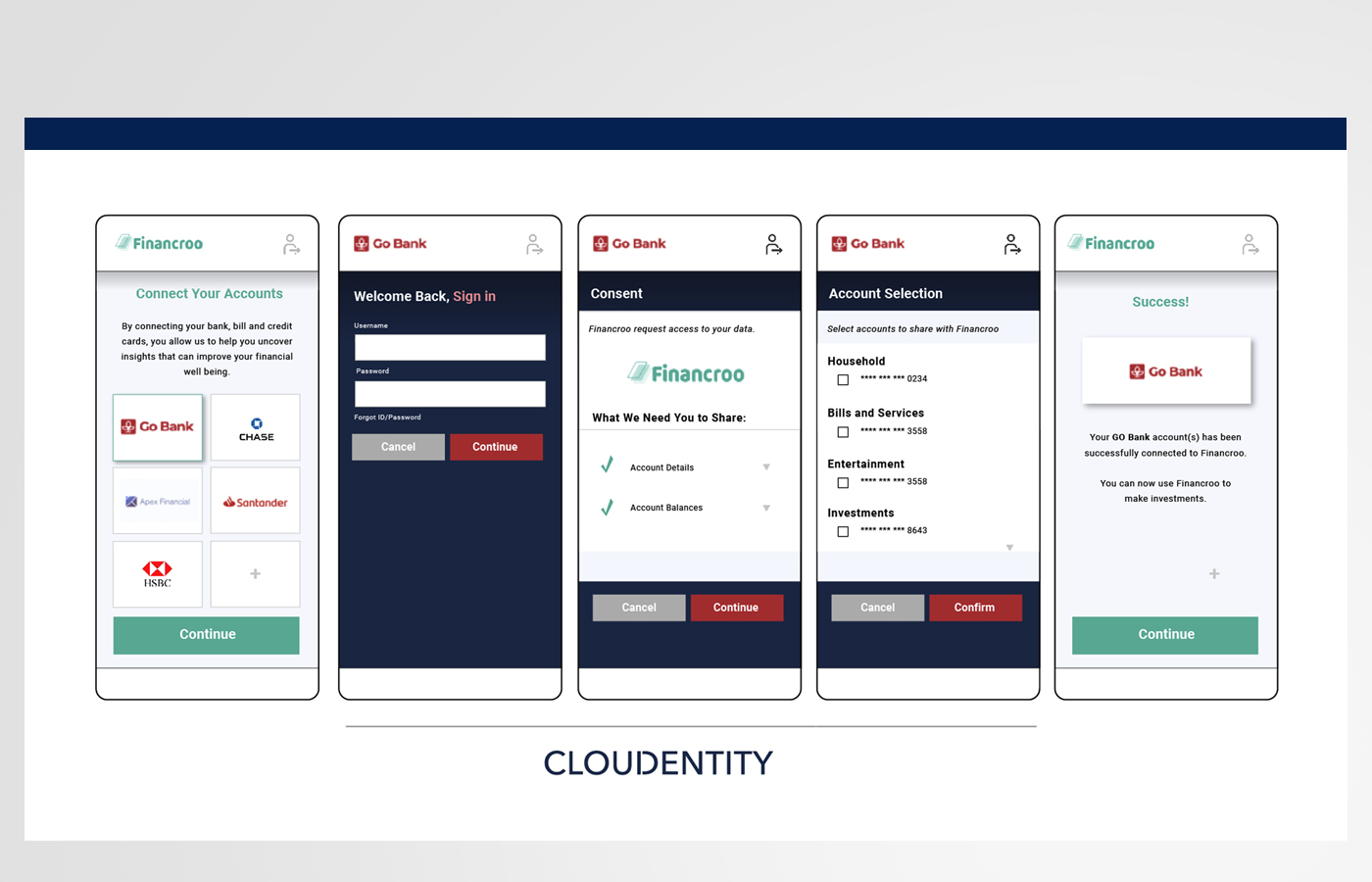
The product narrative centered on cloud-native modernization and a developer-forward approach: externalized runtime authorization, policy as code, and API-first operations—paired with privacy/consent and tamper-resistant audit capabilities. The UX challenge was to make complex security primitives feel approachable, repeatable, and administrable at scale—without watering down the power.
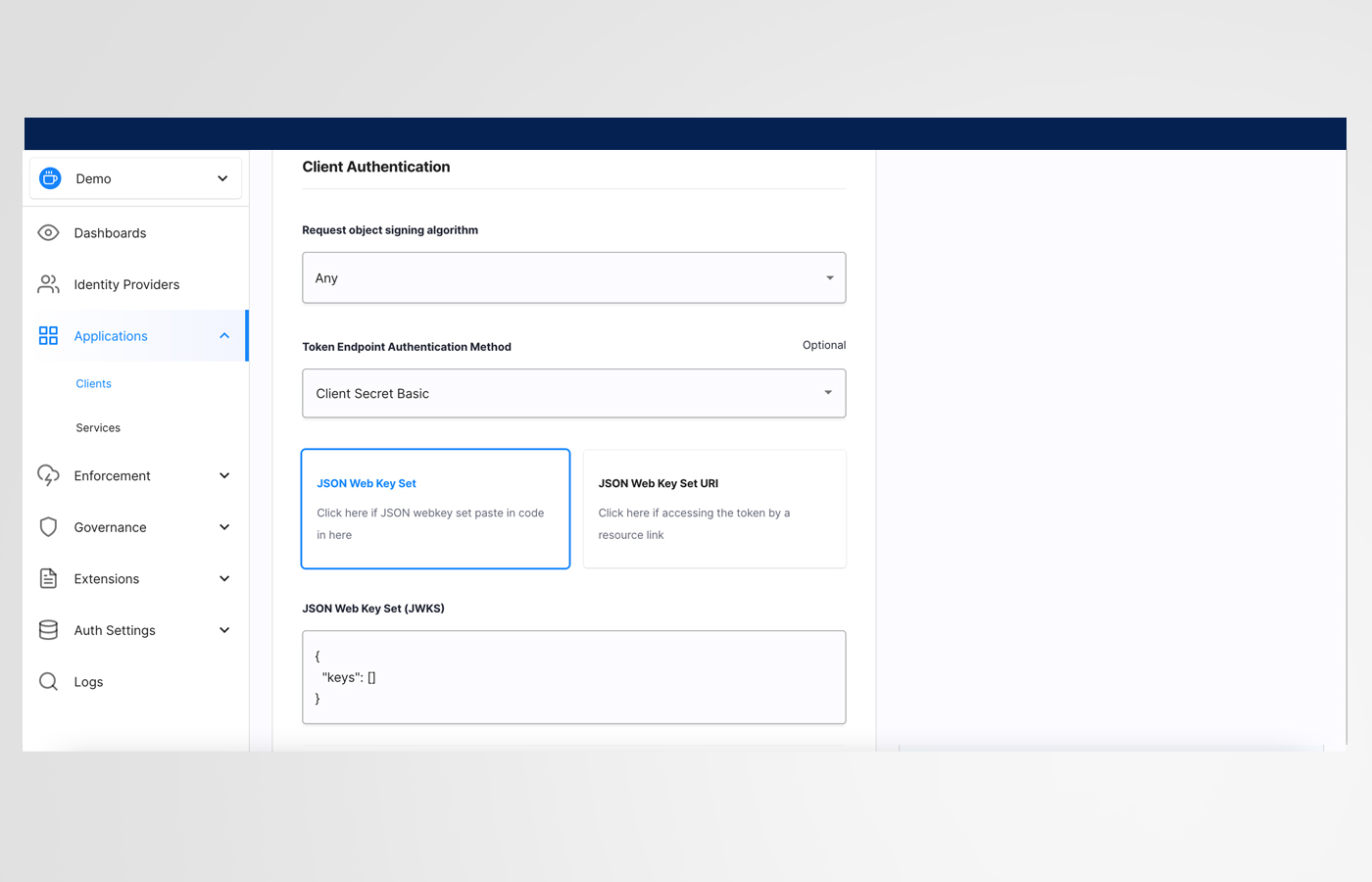
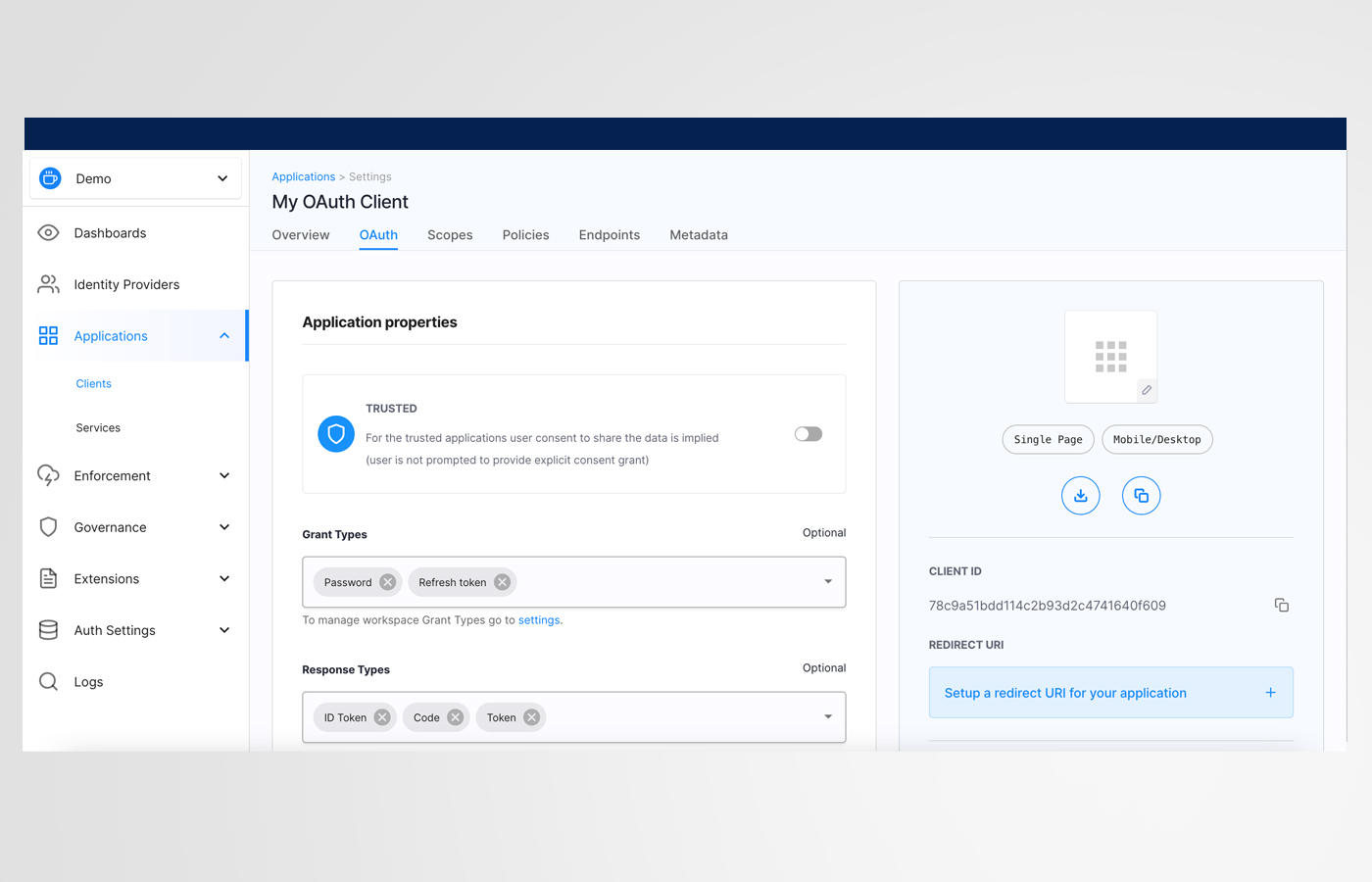
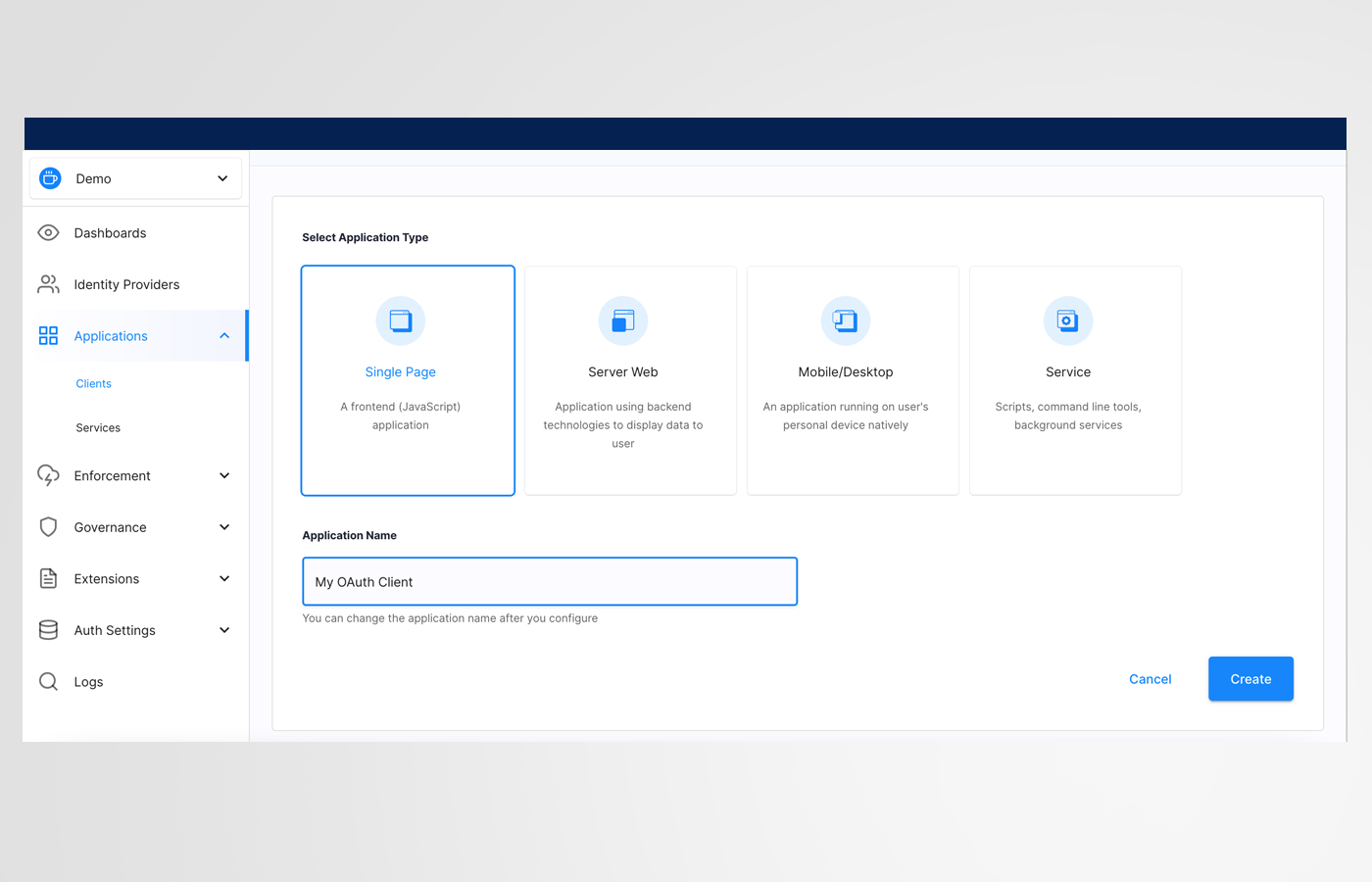
I mapped authorization into concrete product flows: applications → clients → grants/scopes → policies → enforcement → audit. This made “authorization control plane” tangible for both leadership and implementers—reducing ambiguity while speeding execution.
A core constraint was balancing DX with policy guardrails. I designed patterns that kept the system API-first and DevSecOps-ready, while still surfacing the governance needs security teams require: traceability, versioning, and defensible configuration.
As the founding designer, I shaped the product’s visual language and communication artifacts so the UX, pitch narrative, and enterprise trust signals stayed consistent—especially critical for selling into regulated and risk-sensitive organizations.
The platform vision was cloud-native identity and authorization at planet scale—built around microservices, API-first operations, and a declarative model (“authorization as code”). Product UX needed to translate deep security primitives into clear, repeatable, admin workflows while enabling developers to integrate fast and safely.
Cloudentity’s positioning emphasized modern, cloud-native IAM: microservices architecture, API-first operations, declarative authorization, and audit/consent primitives that support regulated ecosystems—without sacrificing developer velocity.
OAuth flows per second (“planet scale”) supported by a cloud-native architecture designed for high-performance identity and authorization.
Stateless microservices framing the platform model (Users, Services & Things), enabling modular growth and portable deployments.
Every major function designed as an API surface—supporting CI/CD and DevSecOps patterns while keeping governance legible.
Product storytelling anchored on privacy-by-design, PII awareness, and tamper-resistant audit at the API boundary.
This case study highlights experience architecture and product foundations. Certain details are shared at a high level due to confidentiality and acquisition-era constraints. If you’d like, I can also add a “Design System” section (tokens, components, usage rules), plus a “GTM enablement” section (pitch narrative, iconography, product diagrams).